What Has Really Been Lost
How the Loss of Art Schools is Reshaping Bay Area Culture
SquareCylinder
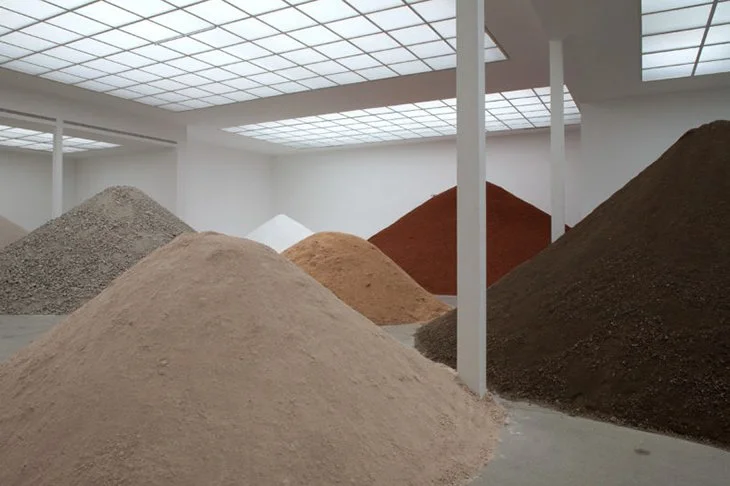
Lara Almarcegui, Construction Rubble of Secession’s Main Hall, 2010, Installation View, Secession, Vienna, Austria, photo: Wolfgang Thaler.
At a moment of institutional contraction in the Bay Area art world, I find myself reflecting on what is ending—and what may be beginning. This essay, published in SquareCylinder, traces those shifts and considers what new forms might emerge.
Without independent art schools, what will the Bay Area’s art ecosystem become?
In 2013, I wrote about the migration of galleries to the southeastern side of San Francisco, a movement shaped as much by economic pressure as by creative possibility. At the time, the possible relocation of California College of the Arts and the San Francisco Art Institute to that area suggested a fragile alignment between education, experimentation, and exhibitions. Thirteen years later, the galleries remain. San Francisco Art Institute is gone and California College of the Arts is slated to close in 2027. What is vanishing is not only a pair of historic institutions, but a way of shaping artists in relation to the city, the Bay Area,and beyond.
How an ecosystem adapts after the disappearance of such a model—one that endured for more than a century—is not a new question, though today it has been imbued with an unfamiliar urgency. And who is better suited than artists to imagine where we might go from here?